Table of Contents
The “Morning Walk” Success Story
In a large gated housing society in Pune, 65-year-old Mr. Deshpande noticed something most residents had stopped paying attention to. The society’s so-called “multi-purpose court” had become a dead zone. It was too small for tennis, unreliable for serious badminton, and largely unused except for the occasional morning stretch.
Many residents told him that getting pickleball court permission in your society would be complicated and political. But after researching how similar RWAs across India had approved pickleball courts, he realised one key insight: success depended less on money and more on strategy. Understanding the pickleball court permission in your society process can make a significant difference.
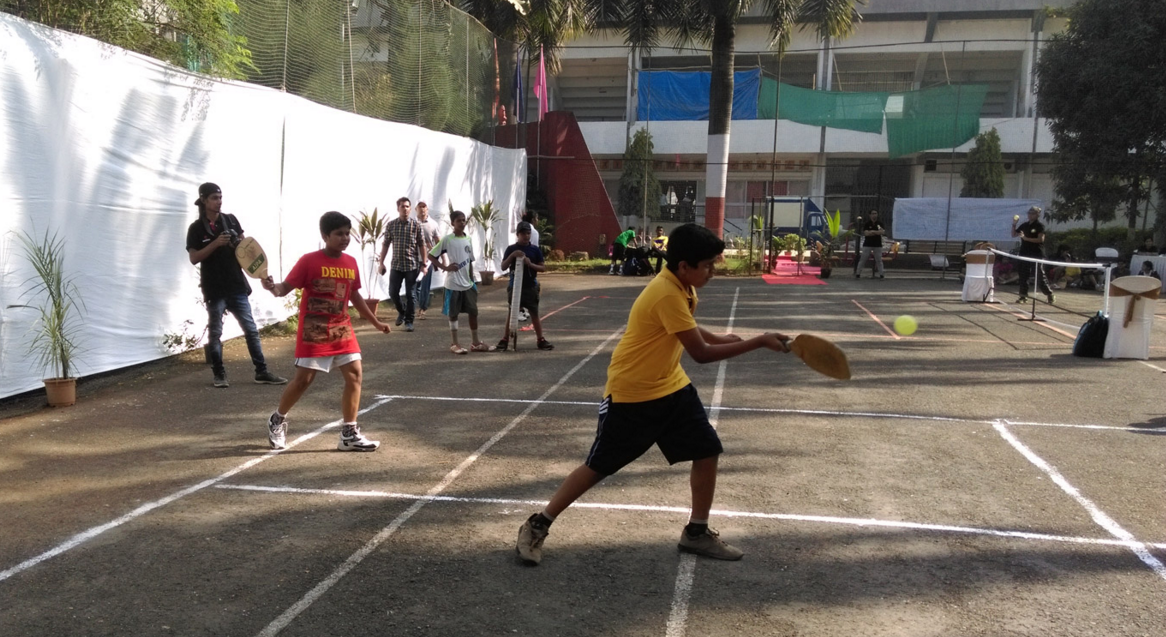
Instead of debating at the AGM, he organised a simple “Trial Sunday.” A borrowed portable net, chalk-marked lines, and a friendly invitation to the RWA Secretary’s children did the trick. By evening, the kids were hooked, parents were relieved to see a screen-free activity, and seniors were curious.
Six months later, the society inaugurated a professional-grade pickleball court.
Mr. Deshpande didn’t just build a court. He enhanced the society’s community life, inter-generational bonding, and property appeal.
If you’re trying to get pickleball court permission in your society, this 2026, six step guide will show you exactly how to move from a simple idea to a fully approved, ready-to-play facility that brings joy to everyone in the community. Ensure you follow the necessary steps for pickleball court permission in your society.
Step I: Understanding RWA Permission for Sports Court Upgrades
Before approaching your Managing Committee, it’s important to understand how Indian housing societies function from a legal and administrative perspective.
Most RWAs operate under:
- The Societies Registration Act, or
- State-specific Apartment Ownership Acts
When you seek permission to build a pickleball court, you are effectively proposing an upgrade or change in the use of common areas. Framing it correctly is crucial if you want to get pickleball court permission in your society without resistance.
What you Must Check First
Society Bye-laws
Go through your society’s bye-laws carefully. Most already allow recreational or sports amenities within common areas.
Funding Mechanism
Clarify whether:
- The project can be funded through the Sinking Fund, or
- A voluntary contribution from interested residents is required
Location Identification
Approval becomes easier when you propose:
- Underused badminton courts
- Dead-end internal roads
- Unused podium or clubhouse areas
Avoid spaces that affect parking or daily movement.
Step II: Convincing Society Committee for Pickleball: The “Property Value” Pitch
When convincing a society committee, avoid focusing only on the fun aspect. RWAs evaluate proposals through three lenses: cost, complaints, and capital value.
Use these talking points consistently:
Lifestyle & Branding Advantage
Modern buyers actively look for societies with contemporary amenities. A pickleball court positions your society as future-ready and can increase rental and resale value by 3–5% in metro cities.
Safety Compared to Other Sports
Unlike cricket or football, pickleball uses a lightweight perforated ball, greatly reducing risks of broken windows, vehicle damage, and resident complaints.
Inclusive for All Age Groups
Pickleball has the lowest learning curve among racquet sports. It is one of the few games where seniors, working professionals, and children can play together, making approval socially justifiable.
This framing significantly improves your chances to get pickleball court permission in your society.
Step III: Addressing the “Pop” Sound: Pickleball Court Noise Solutions for Societies
Noise concerns are the most common reason RWAs reject pickleball proposals in India.
If you want to get approval smoothly, you must present pickleball court noise solutions for societies upfront, not as an afterthought.
Practical solutions that work in Indian apartments
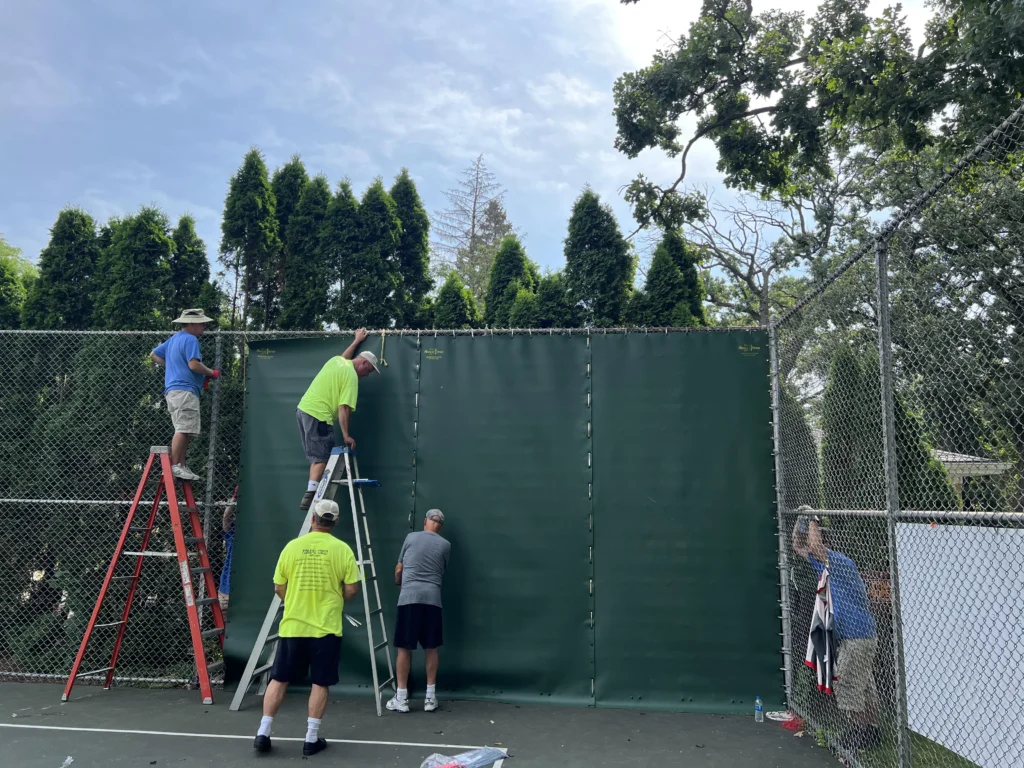
Acoustic Fencing
Install sound-dampening sheets or fencing on sides facing residential towers.
Quiet Paddle Policy
Recommend restricting play to USA Pickleball Quiet Category paddles, which significantly reduce impact noise.
Smart Court Placement
Maintain a minimum 40-foot buffer between the court and ground-floor windows wherever possible.
When committees see noise mitigation planned in advance, objections drop sharply.
if you are curious about building a pickleball court in your society, check out this comprehensive Guide.
Step IV: The Progressive Action Plan to Get the “Yes”
Getting RWA permission is about building consensus, not confrontation.
Follow this step-by-step approach:
Resident Support Drive
Collect written support from at least 25 residents. Senior citizens play a key role — if they support the idea, committees rarely oppose it.
Simple 3-Page Proposal
- Page 1: What is pickleball and why it suits Indian societies
- Page 2: Proposed location with layout
- Page 3: Estimated cost and maintenance plan
Trial Period Proposal
Suggest a 30-day demo phase using a portable net and temporary markings. This reduces fear of permanent commitment.
Self-Sustaining Model
If budget is a concern, propose nominal pay-per-play or coaching fees to cover lighting and maintenance within 12 months.
This methodical approach dramatically improves your chances to get pickleball court permission in your society.
Step V: Managing the General Body Meeting (GBM) Vote
Even after committee approval, many societies require AGM or Special GBM clearance.
Handle this stage carefully:
Visual Proof
Show photos of reputed Indian developers and societies that already have pickleball courts installed.
Complete Transparency
Present three vendor quotations to avoid any perception of bias or personal gain.
Bye-law Compliance Assurance
Clearly state that:
- No permanent structure is being built
- No municipal permissions are required
- The court can be reversed if needed
This reassurance is critical during open-floor discussions.
Step VI: Technical Checklist: Maintenance & Bye-Laws
A key factor in getting long-term approval is showing that you’ve planned for post-construction management.
Operating Timings
Recommend:
- Morning: 7:00 AM – 10:30 AM
- Evening: 4:30 PM – 9:00 PM
These timings respect typical Indian household routines.
Lighting Control
Use LED lights with anti-glare shields to prevent light spill into balconies.
Written NOC
Once approved, ensure the RWA issues a formal No Objection Certificate (NOC) before construction begins. This creates an official paper trail.
Conclusion: Leading the Change
To get pickleball court permission in your society, remember this: the process is only partly about sport and largely about community management and communication.
By focusing on:
- Property value enhancement
- Noise control
- Transparency and bye-law compliance
…you can turn initial resistance into widespread support.
Don’t start from scratch.
👉 “Don’t go to your RWA meeting empty-handed. Copy this Expert 2026 Society Proposal, add your society’s name, and print it out. A formal paper trail is the first step to getting that ‘Yes’!”